Non-UK-Registered Casinos: Licences and Player Risks
 Available in GB
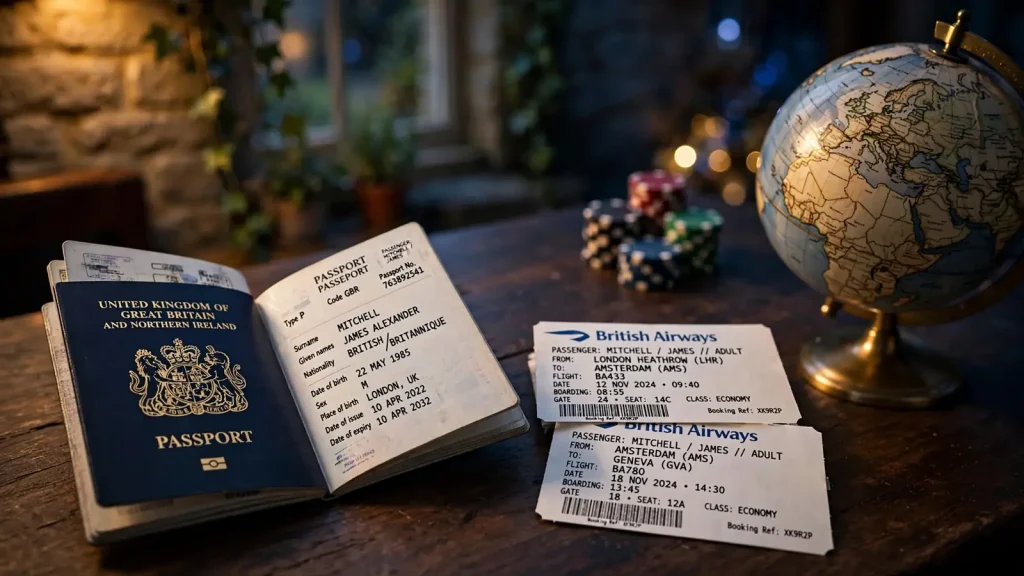
Company registration and gambling regulation can point to different jurisdictions, affecting oversight and the practical position of UK players.
Table of Contents
- What “Non-UK-Registered” Means in Practice
- UK Law, Overseas Licences and Your Position as a Player
- What Changes When a Casino Is Outside GamStop
- Casino Sites, Slots and Live Play Outside UK Oversight
- Payments, Bonus Terms and the Reality of Getting Paid
- A UK-Registered Casino Is Not the Same Thing
- Can You Trust an Offshore Casino With a Dispute?
- Malta-Registered Casinos: Check the Licence, Not the Label
- Curaçao Casino Sites and the Limits of GamStop
- Guides
What “Non-UK-Registered” Means in Practice
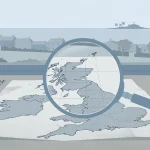
“Non-UK-registered casino” is common shorthand, but it can blur two different ideas. A company may be registered in one country, while its gambling operation is licensed or supervised by a regulator somewhere else. For a player, the key distinction is usually whether the casino operates under oversight from the UK Gambling Commission (UKGC), not simply where its company paperwork is filed.
A non-UK-regulated casino is an online gambling site that does not operate under UKGC oversight. Such a site may hold a licence from another jurisdiction, or may make claims about its licensing that need checking. The phrase “non-UK-registered” does not, by itself, tell you which of those applies. It is a broad label, not proof of a particular licence or standard.
You will see casinos associated with jurisdictions such as Malta, Curaçao, Gibraltar and Anjouan. Those names refer to different licensing authorities and regulatory settings; they are not alternative names for the UKGC. A licence issued outside the UK belongs to the system that issued it. It does not turn into UKGC oversight just because a site is accessible to someone in Britain or has familiar games and payment options.
If you’re considering a casino that isn’t UK-registered, check the available details carefully before deciding where to play. This list gives you one practical point to consider for each option: its stated payout speed.
1. Jetsetspins
Payout speed: 1-3 business days You can expect payouts from Jetsetspins to take 1–3 business days.
2. EvoSpin
Payout speed: 1-3 business days EvoSpin lists a payout speed of 1–3 business days for you to consider.
3. NightLuck
Payout speed: 1-3 business days NightLuck’s stated payout speed is 1–3 business days.
4. Revery Play
Payout speed: 1-3 business days Revery Play gives a payout speed of 1–3 business days.
5. WinBeast
Payout speed: 1-3 business days You can use WinBeast’s stated payout speed of 1–3 business days as one point of reference.
6. NightWin
Payout speed: 1-3 business days NightWin lists payouts as taking 1–3 business days.
7. x3bet
Payout speed: 1-3 business days x3bet’s stated payout speed is 1–3 business days.
8. Amunbet
Payout speed: 1-3 business days Amunbet lists a payout speed of 1–3 business days.
9. Zombillion
Payout speed: 1-3 business days For Zombillion, the available payout-speed detail is 1–3 business days.
10. SpinFormula
Payout speed: 1-3 business days SpinFormula gives a stated payout speed of 1–3 business days.
That is the practical dividing line. The UKGC oversees operators holding its licences. A foreign regulator oversees the operators licensed under its own framework, where its rules apply. The existence of a foreign licence and the existence of UKGC oversight are separate matters. One does not establish the other.
“Registered” is not the same as “regulated”
Casino sites often use terms such as “registered”, “licensed” and “regulated” close together, but they do not mean the same thing. “Registered” may refer to a company or an account; in everyday searches, people also use it loosely to mean authorised. “Licensed” points to permission granted by a regulator, while “regulated” is about the oversight attached to that permission.
So when you encounter an online casino not registered in the UK, do not assume that its corporate location answers the important question. A company based abroad could still need a UKGC licence if it serves customers in Great Britain. The operator’s base does not remove that requirement. Equally, a licence from another jurisdiction does not establish that the UKGC supervises the site.
This distinction helps make sense of a phrase such as “non-UK registered online casino”. It may describe a site that is licensed abroad and outside UKGC oversight, but the wording alone does not verify either point. The label is a starting description, not a regulatory check.
What the licence tells you—and what it doesn’t
An overseas licence identifies a regulator and a licensing framework. It can tell you that an operator claims to be authorised under that framework. It does not automatically tell you that the operator holds a UKGC licence, or that the foreign framework matches UK requirements. Those are separate questions, and the answers depend on the operator and the licence concerned.
I find it useful to keep the terms apart: a casino can be foreign-licensed without being UK-regulated. Calling it “international” or “offshore” does not make that difference disappear. Nor does a familiar-looking website, a recognisable game or a polished sign-up process establish who oversees the gambling operation.
Non-GamStop European Casinos: UK Self-Exclusion
The phrase “casinos not registered in the UK” can also suggest that every site in the category is alike. They are not. Some may identify an overseas licensing jurisdiction; others may be less clear about who issued a licence or which company runs the site. The category describes the absence of UKGC oversight, not a single type of operator or a shared level of reliability.
That matters because the word “licensed” can sound like a complete answer. It is only useful when you know which authority issued the licence and what operation it covers. A foreign licence is not a UKGC licence. A UKGC licence, in turn, is the relevant licence for operators serving customers in Great Britain, regardless of where those operators are based.
Keep the terminology plain. If the site is not overseen by the UK Gambling Commission, it is non-UK-regulated in the sense used here, even if it has a licence elsewhere. “Not UK-registered” is less precise, because it can refer to company registration rather than gambling regulation. The difference is small in wording and large in meaning.
UK Law, Overseas Licences and Your Position as a Player
The key distinction is who the law is aimed at. The Gambling Act 2005 places obligations on operators supplying gambling services into the UK market; it does not make an individual player the target of those operator rules. In Great Britain, a company offering real-money gambling to local customers needs the relevant UK Gambling Commission licence, wherever the company itself is based.
That means an overseas licence and permission to serve customers in Great Britain are not the same thing. A casino may be licensed by another country’s authority, but that licence does not replace the UKGC licence required for an operator serving the British market. The operator’s location is not a workaround. The question is whether it is supplying gambling services to people here.
Casino Guides: Licensing, Access and Verification
For you as a player, the position is different. UK law does not specifically outlaw British citizens using gambling services that are licensed elsewhere. And playing on a site that lacks a UK licence does not, by itself, make you guilty of a criminal offence under UK law. That is a narrower point than saying every such service is lawful to offer in Britain. The rules directed at the operator and the potential criminal liability of the customer are separate issues.
I would keep that distinction in mind when you see a casino describe itself as “international” or point to a foreign licence. That may tell you something about where it is licensed; it does not establish that it has permission to serve customers in Great Britain. Nor does the absence of a UK licence automatically turn the player into an offender. Those statements can both be true at once.
So, if you are looking at a non-UK registered casino, do not read the operator’s status as a verdict on your own criminal liability. Equally, do not treat the lack of a specific prohibition on players as approval of the operator’s conduct. The legal framework puts the licensing duty on businesses offering gambling into the British market, while the player’s position is not the same as the business’s.
In short: the UK licensing requirement is about the operator’s service to the market, not a general criminal rule against an individual customer using an overseas service. A foreign licence cannot do that job.
What Changes When a Casino Is Outside GamStop
GamStop is the UK’s online gambling self-exclusion scheme. A casino that is outside it is not connected to that scheme, so you should not expect a GamStop exclusion to stop you from opening or using an account there. That is the key practical difference: the exclusion’s reach has a boundary.
If you have registered with GamStop, treat that decision as a commitment to avoid gambling, not as a technical barrier that will catch every site you might find. A casino may be available to UK visitors while remaining outside the scheme. The fact that it can be reached does not mean GamStop covers it.
Attention: A casino being reachable from Britain does not mean it is part of the GamStop scheme or that your exclusion will block access to it.
What the scheme does—and does not do
Self-exclusion is meant to help someone stop gambling by preventing access to participating services. GamStop applies to casinos that are part of the UK Gambling Commission’s scheme; a casino not registered with GamStop is not one of those services. The scheme cannot be assumed to identify or block every gambling website operating beyond its membership.
This can be easy to misunderstand. A site may use familiar language, accept British customers or describe itself as serving the UK, but those details do not bring it into GamStop. Nor does a search for a “UK casino not registered with GamStop” turn that casino into a UK-regulated one. “UK” in a description can refer to the intended audience, not to participation in the scheme.
The same distinction applies to casinos not registered with GamStop UK, including sites described as international or non-UK. The relevant point here is not the label on the homepage: it is whether the operator is part of GamStop. If it is not, your GamStop exclusion should not be relied on to prevent access.
If you have already self-excluded
If you enrolled because gambling was causing harm, finding a site outside GamStop does not cancel the reason you enrolled. It simply means that the scheme may not provide a barrier at that site. Do not test whether your exclusion works by creating an account or attempting to deposit. That puts the decision back in your hands at exactly the point when you were trying to create distance.
A search for casinos not registered with GamStop can bring up sites that are reachable from Britain. Reachability is not the same as inclusion in the scheme, and it is not evidence that a site offers the same protections. Avoid treating “not blocked” as “safe for me to use.” That is a poor substitute for an exclusion.
Online Casino With No Sister Sites in the UK: What It Means
You can also make the practical barrier stronger yourself: remove saved payment details, sign out of gambling accounts, use website-blocking tools, and ask someone you trust to help you keep away from gambling. These steps do not extend GamStop or make an outside site part of it. They are ways to add friction where the scheme’s coverage ends.
A familiar payment method changes nothing
People sometimes narrow the search to a payment brand, asking about PayPal casinos not registered with GamStop or Boku casinos not registered with GamStop. The payment option is separate from self-exclusion. If a casino is outside GamStop, using a familiar payment method does not make GamStop apply to it.
The same goes for a casino’s branding, game selection or customer-facing language. None of these tells you that the site is connected to the UK scheme. The scheme boundary is about participation, not the appearance of the website or how a customer plans to pay.
“Reputable” is not the same as covered
Looking for reputable casinos not registered with GamStop does not resolve the self-exclusion problem. A positive review, professional-looking site or familiar-sounding licence cannot make a casino part of GamStop. Even if you are trying to assess a site’s broader qualities, that is a separate question from whether the scheme can block access.
Anjouan-licensed casinos, for instance, are not required to integrate GAMSTOP. So if a site has that licence, you should not assume that a GamStop exclusion will apply there. The scheme boundary remains the same regardless of whether a site is described as reputable.
Do
- Use website-blocking tools
- Remove saved payment details
- Ask a trusted person for help
Don’t
- Rely on GamStop for non-member sites
- Test exclusions by creating accounts
- Assume “not blocked” means “safe”
For anyone who has self-excluded, the useful question is not simply which casinos are not registered with GamStop. It is whether visiting any gambling site fits with the reason for excluding in the first place. GamStop is not a universal web filter, and a casino outside it may remain accessible. Keep that distinction clear before you act.
Casino Sites, Slots and Live Play Outside UK Oversight
A casino site can look familiar from the first screen: a lobby of games, slot tiles, a live table section and an account area. That layout tells you what the site offers, not who oversees it. A casino operating without UK Gambling Commission oversight is outside the UK regulatory system, whether its front page looks polished or its games resemble those on a UK-regulated site.
That distinction matters when you are comparing casino sites not registered in the UK. “Casino” describes the broad product; “slots” and “live casino” describe parts of it. Neither label tells you whether the operator’s rules, player protections or handling of personal information are dependable. I would keep those questions separate rather than treating a busy lobby as evidence of quality.
Casino sites, slot sites and live tables
A general casino site may bring several kinds of play together. Slots are digital games played against a game interface. Live casino games use streamed tables and a human presenter or dealer. Some sites put both in one lobby; others place greater emphasis on one category. These are differences in presentation and product, not proof of the operator’s regulatory standing.
The same applies when a site describes itself as a slot site. A slot-focused menu may make it easier to find games, but it does not establish who supervises the business or what standards apply to it. If you are looking for slot sites outside GamStop, remember that the phrase identifies a relationship to a self-exclusion scheme, not a quality rating. It says nothing by itself about the strength of the site’s controls or how your information is handled.
VPN-Friendly Casinos in the UK: Rules and Payments
Live play can feel more immediate because a stream and a table host make the experience look closer to a physical casino. That atmosphere is still part of the product. It does not turn an overseas operator into a UK-regulated one, and it cannot tell you whether the protections behind the account are adequate. A slick studio is not a regulator.
I’d start by asking what kind of site you are looking at, then separately ask what oversight it has. That sounds obvious, but the two questions often get blurred together in casino branding. A site can present slots, live tables and other casino games under one name while remaining outside UK Gambling Commission oversight.
What “not registered” does and does not tell you
People use phrases such as “not registered in the UK” to mean different things. They may be asking whether a casino is based abroad, whether it holds a UK Gambling Commission licence, or whether it is included in GamStop. Those are not interchangeable descriptions.
“Not on GamStop” is narrower. It refers to the scheme boundary, not to the range of games, the location of the company, or the reliability of its licence. A slot site and a live casino can both sit outside that scheme; that fact alone does not tell you whether either one has sound safeguards. Nor does it tell you that every site with a similar description works in the same way.
You may also see wording such as “new casino” used as a selling point. Newness is not evidence of stronger oversight or better protection. A recent launch and an established-looking design are presentation details; they do not settle the questions that matter about the operator’s supervision and policies. The same caution applies to labels such as “top” or “best”. Those are judgments, not regulatory categories.
Casino Without a Swedish Licence: UK Rules Explained
There is no reliable shortcut from the game menu to the quality of the oversight. A large slot catalogue does not establish that player protections are robust. A live section does not verify how personal data is managed. And a familiar style of account page does not show which rules apply if the operator makes a decision you disagree with.
The practical difference is behind the lobby
The experience inside a game may be straightforward, while the standards governing the operator are a separate matter. Non-UK-regulated casinos can be subject to weaker expectations for responsible gambling and data protection than operators licensed by the UK Gambling Commission. That does not mean every such site handles every issue badly. It does mean you should not assume that the protections you associate with a UK-regulated site carry over automatically.
For responsible gambling, look beyond a general claim that a site supports safer play. Consider whether its own rules and tools are clear and easy to understand. A logo or a short reassurance on the homepage cannot, on its own, show how controls operate in practice. If the description is vague, treat it as a limitation in what you can establish, not as proof that the safeguard is there.
Data protection deserves the same attention. An account requires personal information, so the site’s handling of that information matters independently of whether you intend to play slots or live games. Read the privacy information and the account terms with the operator in mind: who is presenting the service, and what policies are stated? A long page is not automatically a clear one, but skipping it leaves you guessing.
Regulatory Oversight
- A polished lobby or familiar games do not prove UKGC oversight
- Non-UK-regulated sites may have weaker responsible gambling and data protections
- Data protection and safety should be verified via the operator’s specific policies
- a professional design is not a substitute for a regulatory check
This is also why I would not call a site “safe” just because it has familiar games, a professional-looking stream or a prominent badge. Those details can shape first impressions; they do not answer the oversight question. “Safe casinos not on GamStop” is not a category with a single standard built into the name. The meaningful comparison is between what the site claims and what its policies and supervision actually establish.
Keep the categories straight
When you compare a UK-facing casino with an overseas one, separate the parts of the decision:
- Product: Is the site focused on slots, live tables, or both?
- Scheme status: Is it part of GamStop, or outside that scheme?
- Regulatory oversight: Is the operator overseen by the UK Gambling Commission?
- Safeguards and data: What does the operator say about responsible gambling and personal information, and how clearly does it explain those policies?
These points answer different questions. A site can be outside GamStop without that telling you what games it offers. A live casino can feature a streamed table without that confirming its regulatory status. And a detailed game lobby cannot substitute for clear information about safeguards.
People also search for casino sites not registered with Gamban. Do not collapse that wording into the question of UK Gambling Commission oversight: the name of a blocking tool or scheme is not a description of the operator’s licence. What matters here is keeping the categories distinct rather than assuming one label answers every other question.
If you are weighing several sites, compare like with like. A slot-only lobby and a live-focused casino may serve different preferences, but their appearance does not make one more accountable than the other. Likewise, a broad catalogue or a polished presentation may help you understand the product, yet neither confirms the strength of player protections or data practices.
The useful habit is simple: first identify the type of play, then examine the operator and the safeguards separately. Do not let a familiar game format stand in for oversight. Keep the labels in their lane.
Payments, Bonus Terms and the Reality of Getting Paid
A non-UK-regulated casino may offer card payments, e-wallets, bank transfers or cryptocurrency. Some transactions go through alternative processors, so the name on your statement may not match the casino. Crypto can also get around the UK restriction on gambling deposits funded by credit cards; that does not make it a safer way to pay.
Treat the deposit and withdrawal rules as separate questions. A method appearing on the cashier page does not mean it will be available for cashing out, or that a withdrawal will be straightforward. Check whether the casino requires you to use the same method, what identity checks apply and whether it sets cash-out limits. Specialist reviews sometimes report daily, weekly or monthly limits, which can mean a large win is paid in instalments; confirm the current terms rather than assuming the report applies to every site.
UK Casino No-ID Verification: What to Expect
Payment-time claims also conflict. Some descriptions put withdrawals at 24 hours to 5 business days, while others say they can take three or four weeks. Without a regulatory clock to enforce a stated timetable, a quick deposit tells you little about how soon you may receive a withdrawal. Keep records of the terms shown when you deposit.
Bonuses need the same close reading. A specialist review reports welcome offers with wagering requirements of 35x or more, but the actual offer and its terms matter. A 40x condition may apply to the bonus and deposit together, to the bonus alone, or to the bonus and free spins combined. Those are very different calculations. Check which games count, when the requirement expires, and whether taking the offer restricts withdrawals. A large headline figure can be less useful than a plain deposit with clear cash-out terms.
I would not deposit until I had read the withdrawal rules and saved a copy. If the cashier offers several routes in, but the terms are vague about getting money back out, that is the part to take seriously.
Before Depositing
- Read the withdrawal rules
- Save a copy of the withdrawal terms
- Check for cash-out limits
- Verify wagering requirements for bonuses
- Confirm which games count toward wagering
A UK-Registered Casino Is Not the Same Thing
“UK-registered” is often used casually, but the practical check is whether the casino operator holds a current UK Gambling Commission licence. A company’s address, the currency shown on its site or a UK-facing design does not establish that it is licensed to serve customers in Great Britain.
The key point is where the operator offers its service, not where the company is based. Operators serving customers in Great Britain need a UK Gambling Commission licence even if they run the business from overseas. So a non-UK-based casino can still be licensed for the British market; a casino licensed only by an overseas authority is not thereby covered by UK oversight.
That distinction matters when you compare a UK-licensed site with a non-UK-regulated casino. The UK-licensed operator must work within the UK regulatory system. At an offshore site, you do not get the same package of UK protections: players give up access to the UK’s Financial Ombudsman Service and to mandatory responsible-gambling tools. Don’t assume that a familiar-looking site or a licence from another country is an equivalent substitute.
I’d treat “UK-registered” as a prompt to verify, not as proof. Look for the operator’s legal company name and check that it matches the UK Gambling Commission’s public register. If the site points only to an overseas licence, that tells you it is not licensed by the Commission to serve Great Britain, however polished the branding may be.
The distinction is easy to miss because “registered” can sound like a simple business detail. Here, the licence is the important part. Before using any gambling service, check the rules that apply where you live and understand what protections you may not have if the operator is outside the UK system. A UK-facing website alone is no assurance.
Can You Trust an Offshore Casino With a Dispute?
A familiar licence name can sound reassuring, but it does not tell you what will happen if a casino rejects a withdrawal, closes your account or interprets its terms against you. The useful question is not just who issued the licence; it is who can actually review your complaint and what powers they have.
Anjouan is a clear example of why that distinction matters. Its authority does not take up player complaints, mediate between a casino and its customer, or decide who is right. Anjouan-licensed casinos also do not offer an independent dispute-resolution route comparable to the approved ADR services used by UKGC-licensed operators. So a regulator’s name on a site does not necessarily mean there is an outside body you can turn to.
Under Anjouan’s framework, an operator must respond to a complaint within 30 calendar days. That is a requirement to respond, not a promise that the decision will favour you, that the casino will settle the dispute, or that an independent reviewer will step in. A reply and a remedy are not the same thing.
British Casinos Not on GamStop: What to Know
If you are considering a casino that is not registered with GamStop, keep the two issues separate: GamStop status tells you about self-exclusion, not how a complaint will be handled. Nor does a polished licence badge establish that you can take a dispute to a UK regulator. If an offshore operator changes its interpretation of the terms or refuses to resolve a claim, you do not have access to the UK regulator’s complaints process for that operator.
Before depositing, I would look for a named complaints process, the operator’s legal company name, and a clear statement of which body—if any—can review an unresolved case. Save copies of the terms, transaction records and every message you send or receive. If the site only points back to its own support team, treat that as the limit of the route available, not as independent oversight. Familiar wording is not a safety net.
Malta-Registered Casinos: Check the Licence, Not the Label
Malta is one of the jurisdictions associated with casinos operating outside UK Gambling Commission oversight, alongside places such as Curaçao, Gibraltar and Anjouan. So a Malta connection may explain which regulator a site says it answers to. It does not, by itself, show that the casino is regulated for the UK market.
That distinction is easy to miss. A site can describe itself as Malta-registered, but the label alone does not tell you whether it holds a current licence, which company holds it, or whether the details apply to the casino you are using. I would look for the named operating company and the licence information, then compare those details with the Malta Gaming Authority’s own records. If the site gives you no clear company or licence details, the Malta wording is not much to go on.
The key point is that a Maltese licence and a UK Gambling Commission licence are not interchangeable. Non-UK-regulated casinos operate without UKGC oversight, even when their stated licensing jurisdiction is familiar. A recognisable regulator’s name is a starting point for checking, not proof that the operator has UK approval.
Keep the question narrow: what authority is named, which company does the licence relate to, and does that establish UKGC oversight? Do not let a location label answer a different question. Malta may be relevant to the site’s claimed regulatory home; it does not settle what protections or routes of complaint apply to you in the UK. The label is only the beginning.
Curaçao Casino Sites and the Limits of GamStop
A casino described as Curaçao-licensed sits within the wider group of non-UK-regulated casinos: Malta, Gibraltar and Anjouan are other jurisdictions associated with this market. The place named in a licence is not the same thing as UK oversight. A Curaçao label does not show that a casino holds a UK Gambling Commission licence or that its rules meet UK requirements.
Non-GamStop Curaçao Casino Sites: UK Checks
GamStop is a separate issue. Casinos not on GamStop are outside the UK Gambling Commission’s self-exclusion scheme, so registering with GamStop should not be treated as a way to block access to a Curaçao site. The scheme boundary tells you where GamStop applies; it does not certify the operator or say anything reliable about how it handles your account.
That distinction matters if you are looking at a Curaçao casino site because it appears outside GamStop. “Not on GamStop” describes a relationship to the scheme, not a quality mark. Nor does the jurisdiction name alone establish that the site is safe, properly run, or suitable for you. Read the operator’s terms and check what protections it actually offers rather than treating a country name as an answer.
If you have self-excluded because gambling is causing harm, a site that sits beyond that block is not a workaround worth testing. It may lack the UK safeguards you expect, including mandatory responsible-gambling tools. I would not regard a Curaçao label as a substitute for those protections.
Before using any overseas gambling service, you are responsible for checking the laws that apply to you and understanding the implications. GamStop status and licensing status are different checks. Neither should be inferred from the other.
Are sites that are not on GamStop legal for players in the UK to access?
UK law does not explicitly prohibit you from using gambling services licensed in another country, and playing on a site without a UK licence is not, by itself, a criminal offence. This does not mean the operator is authorised to serve customers in Great Britain: operators doing so need a UK Gambling Commission licence.
Are gaming sites not on GamStop permitted for UK players?
You are not committing a criminal offence simply by playing on a site without a UK licence. However, an overseas licence does not replace the UK Gambling Commission licence required for operators serving customers in Great Britain.
How do casinos outside GamStop operate?
They operate outside the UK Gambling Commission’s oversight, often under a licence from another jurisdiction. That foreign licence does not authorise them to serve customers in Great Britain; operators serving that market need a UK Gambling Commission licence.
What payment options are available at Non UK Casinos?
You may find credit cards, e-wallets, bank transfers and cryptocurrencies, sometimes processed through alternative providers. Some sites also accept payments charged to a mobile phone bill or deducted from a prepaid balance.
Are non UK regulated casinos legal for UK players to use?
UK law does not explicitly prohibit you from using gambling services licensed in another country, and playing on a site without a UK licence is not, by itself, a criminal offence. Operators serving customers in Great Britain still require a UK Gambling Commission licence.
Is it legal for a UK player to gamble at an Anjouan-licensed casino?
UK law does not explicitly prohibit you from using gambling services licensed abroad, and playing on an unlicensed site is not, by itself, a criminal offence. An Anjouan licence does not authorise the casino to operate in the United Kingdom; operators serving customers in Great Britain need a UK Gambling Commission licence.
Guides
Anjouan Casino Licence in the UK: What It Means
An Anjouan licence is issued by that jurisdiction and does not replace the UK Gambling...

Casino Apps in the UK: Browser Play and Mobile Games
Compare dedicated apps with browser play, and understand mobile games, payments and bonus terms before...

Foreign Casinos for UK Players: What to Know
A practical guide to licensing, payments, bonuses and safeguards at overseas gambling sites that accept...

International Casinos for UK Players: Rules and Risks
The guide explains how licensing status affects UK players and where bonus, payment and withdrawal...

Mobile casino pay by phone credit in the UK
Phone-credit deposits use the mobile service linked to a number, with the network authorising the...

Best Offshore Casino Sites 2026: UK Rules Explained
A practical guide to licences, payments, checks and terms—and why an offshore licence is not...

Offshore casinos for UK players: rules and risks
A practical look at licensing, bonus conditions, crypto transfers and withdrawals when overseas casinos accept...

British Casinos Not on GamStop: What to Know
The guide explains GamStop’s scope and exclusion periods, and outlines checks on casino licensing, bonus...

UK Casino No-ID Verification: What to Expect
A smooth sign-up is not proof that age and identity checks are complete or that...

Casino Sites Not Registered with GamStop in the UK
GamStop applies to UKGC-licensed operators, while sites outside the scheme may not provide the same...

No-ID Verification Casino Withdrawals in the UK
A low-friction signup does not remove UK age and identity checks or guarantee that a...

Casino Without a Swedish Licence: UK Rules Explained
A foreign gambling licence is not a substitute for UKGC authorisation, and the difference affects...

Casinos That Bypass GamStop: What to Know
The guide explains GamStop’s reach, offshore licensing, player protections and the practical risks of payments...

Curacao Casino Licence in the UK: What It Means
A Curacao licence claim does not mean a casino is regulated by the UK Gambling...

Gibraltar Casino Licence and UK Player Protections
A Gibraltar base does not establish UK oversight; licensing, dispute options, payments and withdrawal terms...

Merkur Casino Online UK: What to Check Before Playing
A game label can identify a slot, but it does not establish a casino’s operator,...

Most Trustworthy Online Casinos in the UK: How to Check
A practical way to assess UK casino authorisation alongside the checks and customer protections that...

No Account Casino UK: How It Works
The label can mean a quicker start, but it does not guarantee anonymous play or...

Non-Gamban Casinos in the UK: What the Term Means
GAMSTOP covers participating licensed gambling sites, while Gamban is a separate system; the terms do...

Non-GamStop Curaçao Casino Sites: UK Checks
A Curaçao label alone does not establish UK authorisation, GamStop status, or the licence and...

Non-GamStop European Casinos: UK Self-Exclusion
A European address does not establish whether a site is covered by GAMSTOP or permitted...
Non-UK Licence Casinos: How Offshore Regulation Works
A licence comes from a specific authority, and an overseas licence does not place a...
Non-UK regulated casinos: UK rules explained
A guide to UKGC licensing, overseas jurisdictions, player protections and the practical differences around payments...

Non-UKGC Licensed Casinos: Rules and Risks
These sites operate outside the UK Gambling Commission’s system, even when licensed by another jurisdiction....

Online Casino No Registration UK: What It Really Means
A clear look at browser access, account claims and the verification step that still applies...

Online casino Malta MGA licence and UK rules
The guide separates Malta regulation from Great Britain’s licensing rules and explains what that distinction...

Online Casino With No Sister Sites in the UK: What It Means
Sister-site links can come from shared ownership, casino technology, or both, while familiar features alone...

Online Slots Not on GamStop: What the Label Means
GamStop participation applies to UKGC-licensed operators, while the label describes a casino’s checks—not an individual...

Safe Online Casinos in the UK: Checks Before Play
A practical way to assess account controls, licensing, payments and game terms before committing money...

Highest-Paying Online Casinos in the UK: RTP Guide
RTP describes theoretical returns over time, while actual results vary and game returns are separate...

Trusted Casinos Not on GamStop in the UK
Understand what casino labels and licence details show, and how terms, payments and safeguards can...

Trusted UK Casino: Licence Checks and Key Terms
A practical guide to licensing, site identity, promotions, verification and payment checks for real-money casino...

USA Casinos for UK Players: Licensing and Risks
This guide explains how offshore casinos differ from UKGC-regulated sites, and what licensing, payments, bonuses...

VPN-Friendly Casinos in the UK: Rules and Payments
A VPN can mask an original IP address, but it does not alter a casino’s...